
Recovery has become just as important as training for athletes who want to perform at their best.
From professional competitors to weekend warriors, more athletes are paying close attention to how their bodies recover between workouts. Hard training places stress on muscles, joints, and connective tissues. Without proper recovery strategies, that stress can build up and eventually lead to fatigue, stiffness, or injury.
One recovery technique gaining significant attention in the athletic community is Cupping Therapy. Many active individuals throughout Hamilton County are incorporating this treatment into their recovery routines at our Noblesville Location.
>>>Looking for ways to recover faster and stay active? Request an appointment to see how this treatment may support your training and recovery.
What Cupping Therapy Actually Does
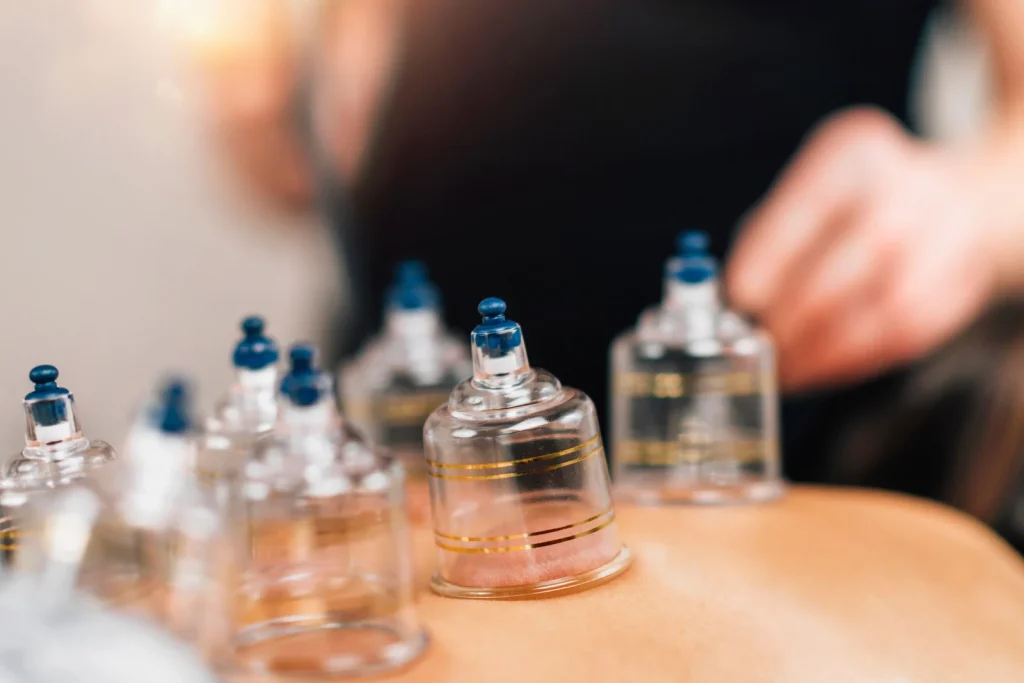
Cupping Therapy is a treatment that uses specialized cups placed on the skin to create gentle suction. This suction lifts the tissue slightly, increasing circulation to the area and allowing muscles and connective tissues to move more freely.
Unlike traditional massage that compresses tissues, cupping works by decompressing the area beneath the cup. This effect can help reduce muscle tension and improve mobility in areas that feel tight or restricted.
Athletes often use this therapy to support recovery after intense training sessions because it encourages blood flow to fatigued muscles and helps the body clear metabolic waste that builds up during exercise.
Many patients report feeling a noticeable reduction in muscle tightness after treatment, particularly in areas like the back, shoulders, and legs.
Why Athletes Are Using It More Often
The popularity of Cupping Therapy has grown significantly in recent years, especially after it appeared during major international sporting events. Many elite athletes began using it as part of their recovery routines, which sparked curiosity across the fitness community.
Athletes appreciate treatments that help them recover without adding additional strain to the body. Cupping provides a non-invasive approach that can complement strength training, running, and other athletic activities.
Some of the most common reasons athletes use Cupping Therapy include:
- Reducing muscle tightness after intense workouts
- Improving circulation to overworked tissues
- Supporting faster recovery between training sessions
- Increasing mobility in stiff muscles
- Helping manage areas of chronic tension
While it may leave temporary circular marks on the skin, these marks are simply a result of increased blood flow and typically fade within several days.
The Role of Circulation in Athletic Recovery
Circulation plays an essential role in how the body recovers from physical activity.
During exercise, muscles produce metabolic byproducts as they generate energy. These byproducts can contribute to muscle soreness and fatigue if they accumulate faster than the body can clear them.
Improving circulation helps deliver oxygen and nutrients that support tissue repair while also assisting the body in removing waste products created during exercise.
Cupping Therapy supports this process by increasing blood flow to targeted areas. When circulation improves, muscles often feel less stiff and more capable of handling the demands of the next training session.
For athletes who train frequently, improving circulation can be an important component of a well rounded recovery strategy.
Combining Cupping With Other Recovery Techniques
While Cupping Therapy can be highly effective on its own, it is often combined with other treatments to maximize recovery.
Hands-on techniques may be used to improve joint mobility and reduce tension in surrounding tissues. Manual Therapy is commonly used alongside cupping to restore healthy movement in joints and soft tissues.
Muscle tightness and trigger points can also contribute to restricted movement and discomfort. In some cases, Dry Needling may be incorporated to help relax overactive muscles and improve muscle activation patterns.
When strengthening is needed during recovery from injury or heavy training, Blood Flow Restriction allows athletes to build strength using lighter loads while still stimulating meaningful muscle growth.
Combining these evidence based treatments allows recovery plans to be customized based on each athlete’s needs.
Why Recovery Is Essential for Long Term Performance
Athletes often focus heavily on pushing harder during training, but recovery is what allows the body to adapt and become stronger.
Without proper recovery, muscles remain fatigued and movement patterns can begin to deteriorate. Over time, this increases the likelihood of injury and limits performance gains.
Recovery strategies like mobility work, strength training, and targeted therapy help maintain healthy movement patterns so athletes can continue progressing.
Many athletes discover that improving recovery habits not only reduces soreness but also allows them to train more consistently and with better quality movement.
This long term approach to performance aligns with the clinic’s treatment philosophy.
Built To Last.
Supporting Your Recovery the Right Way
Every athlete’s body responds differently to training and recovery strategies.
A personalized approach can help identify where your body needs the most support so you can stay active and continue pursuing your goals. Treatments like Cupping Therapy can be integrated into a broader recovery plan designed around your specific training demands.
Many active individuals throughout Noblesville and Hamilton County start that process at our Noblesville Location, where care is focused on helping athletes stay strong, mobile, and resilient.
Call (317) 764-2884 to speak with the clinic team or request an appointment and discover how targeted recovery strategies can help you perform at your best.