
Starting physical therapy can feel like a big step, but knowing what to expect can ease any concerns. Whether you’re recovering from an injury, managing pain, or improving mobility, your first session is an essential part of the journey.
Luckily, Tapp Physical Therapy makes it easy to feel at ease as you begin your plan of care.
Schedule your first appointment today to start your recovery with a customized treatment plan.
Start with Initial Paperwork and Evaluation
When you arrive for your first appointment, you’ll likely complete some initial paperwork, if your paperwork wasn’t sent to you ahead of time. This includes medical history forms, insurance information, and details about your injury or condition. Arriving a few minutes early can help streamline this process.
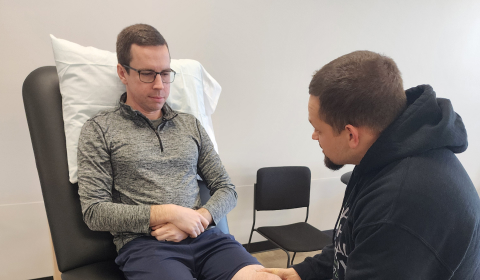
Once the paperwork is complete, our physical therapist will begin a thorough evaluation. This includes but is not limited to:
- Discussing Your Medical History – Understanding past injuries, surgeries, and current pain levels.
- Assessing Your Movement – Evaluating strength, flexibility, and range of motion.
- Identifying Pain Points – Pinpointing areas of discomfort and limitations.
- Setting Goals – Establishing clear treatment objectives based on your needs and lifestyle.
This initial assessment is crucial in designing an effective and individualized rehabilitation plan that aligns with your recovery timeline and overall health objectives.
Receive Your Personalized Treatment Plan
Based on your careful evaluation, your physical therapist will next develop a personalized treatment plan. This may include:
- Hands-on Manual Therapy – Techniques like joint mobilization, soft tissue massage, and stretching.
- Targeted Exercises – Strength and mobility exercises specific to your condition.
- Specialized Therapies – Treatments such as dry needling, blood flow restriction, cupping, or vasopneumatic compression may be incorporated to enhance recovery.
- Home Exercise Program – A set of exercises to reinforce progress between sessions.
Every treatment plan is designed with your unique needs in mind, whether you are a high school athlete, a weekend warrior, or simply someone looking to move pain-free again. The goal is to restore function, reduce pain, and prevent future injuries.
What to Wear and Bring to Physical Therapy Appointment
Wear comfortable, loose-fitting clothing that allows easy movement. Athletic wear is ideal, especially if your injury involves the lower body. Supportive sneakers are recommended for any exercises.
You should be prepared to start your journey so bring:
- Your insurance card and identification
- Any relevant medical records or imaging reports
- A list of medications you’re currently taking
- A water bottle to stay hydrated
How Long Does the First Visit Last?
Your initial appointment typically lasts about 45 to 60 minutes.
This allows ample time for evaluation, discussion, and a short introduction to your treatment plan. Follow-up sessions may vary in length depending on your progress.
During the session, you may also receive some basic treatment, such as hands-on techniques or guided exercises. These will give you a feel for what your ongoing physical therapy sessions will be like.
What Happens After Your First Appointment?
After your session, your therapist will discuss the next steps. This includes scheduling follow-up visits, reviewing your home exercise program, and setting realistic expectations for recovery.
Most patients start seeing improvements after just a few sessions, but consistency is key. Attending all scheduled appointments and following home exercises will maximize your results.
Depending on your condition, your therapist may also suggest modifications to your daily activities to prevent further injury. This could include adjusting your posture at work, changing your exercise routine, or using assistive devices temporarily.
Why Choose Physical Therapy in Noblesville, IN?
Choosing a physical therapist who prioritizes personalized care over high-volume clinics ensures you get the attention and expertise needed for lasting recovery. Our goal is to help active individuals, athletes, and those looking to maintain an active lifestyle return to pain-free movement.
We focus on evidence-based techniques, cutting-edge treatments, and one-on-one attention to ensure that every patient receives high-quality care. Unlike large clinics where you may feel like just another number, we make sure each session is meaningful and tailored to your progress.
Learn more about our approach to care and how we help patients in Noblesville, IN, and Hamilton County.
FAQ: Common Concerns About Physical Therapy
It’s natural to have some concerns before starting physical therapy. Here are a few common questions our patients ask:
- Will physical therapy be painful? Some discomfort is normal, especially if you’re recovering from an injury. However, therapy should never be unbearable. Your therapist will work with you to ensure treatments are effective but manageable.
- How many sessions will I need? The number of sessions depends on your condition, severity, and progress. Some patients need only a few visits, while others may require ongoing care.
- Can I still exercise outside of therapy? In most cases, yes! Your therapist will guide you on safe exercises that complement your treatment plan.
- Do I need a referral? In Indiana, direct access laws allow you to see a physical therapist without a physician’s referral in many cases. However, insurance requirements may vary.
- How do I get started? That’s the easiest part – just see below!
Book Your First Appointment Today
Taking the first step toward recovery starts with the right care. If you’re ready to begin your journey to pain relief and improved mobility, call us at (317) 764-2884 or schedule your appointment online.